Oil & gas mitigation
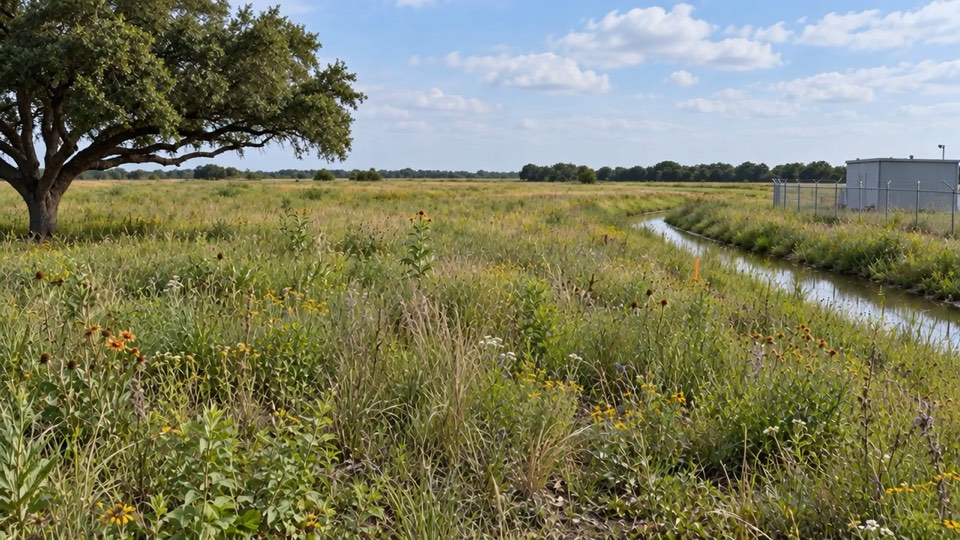
Support native revegetation on land disturbed by energy development, including construction work areas and access routes. Start with the site conditions and the restoration objectives.
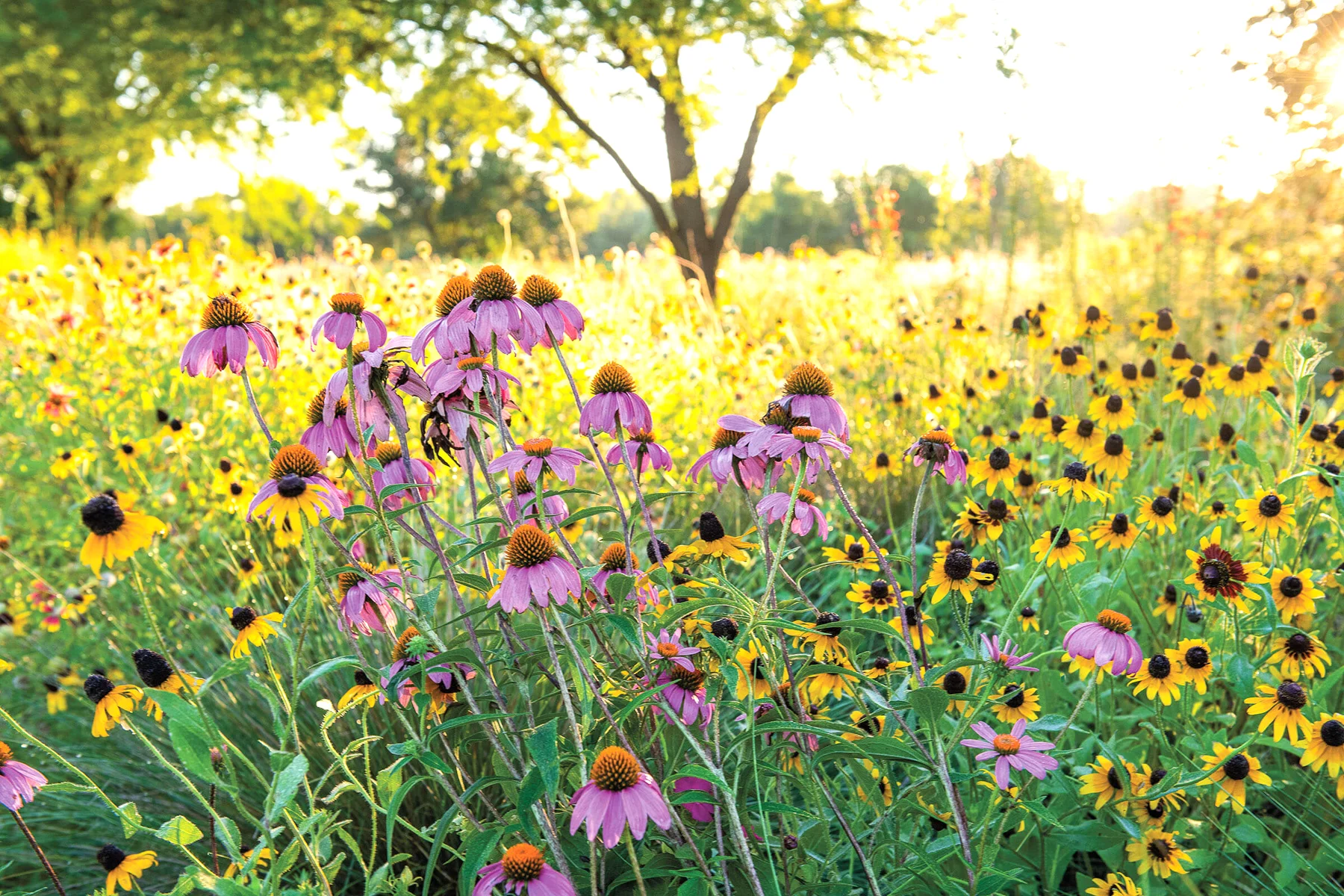
Native seed pods. Land restoration.
Native seed pods and ecological expertise for land disturbed by oil and gas development and construction, as well as for conservation, community, and education projects.
Explore applications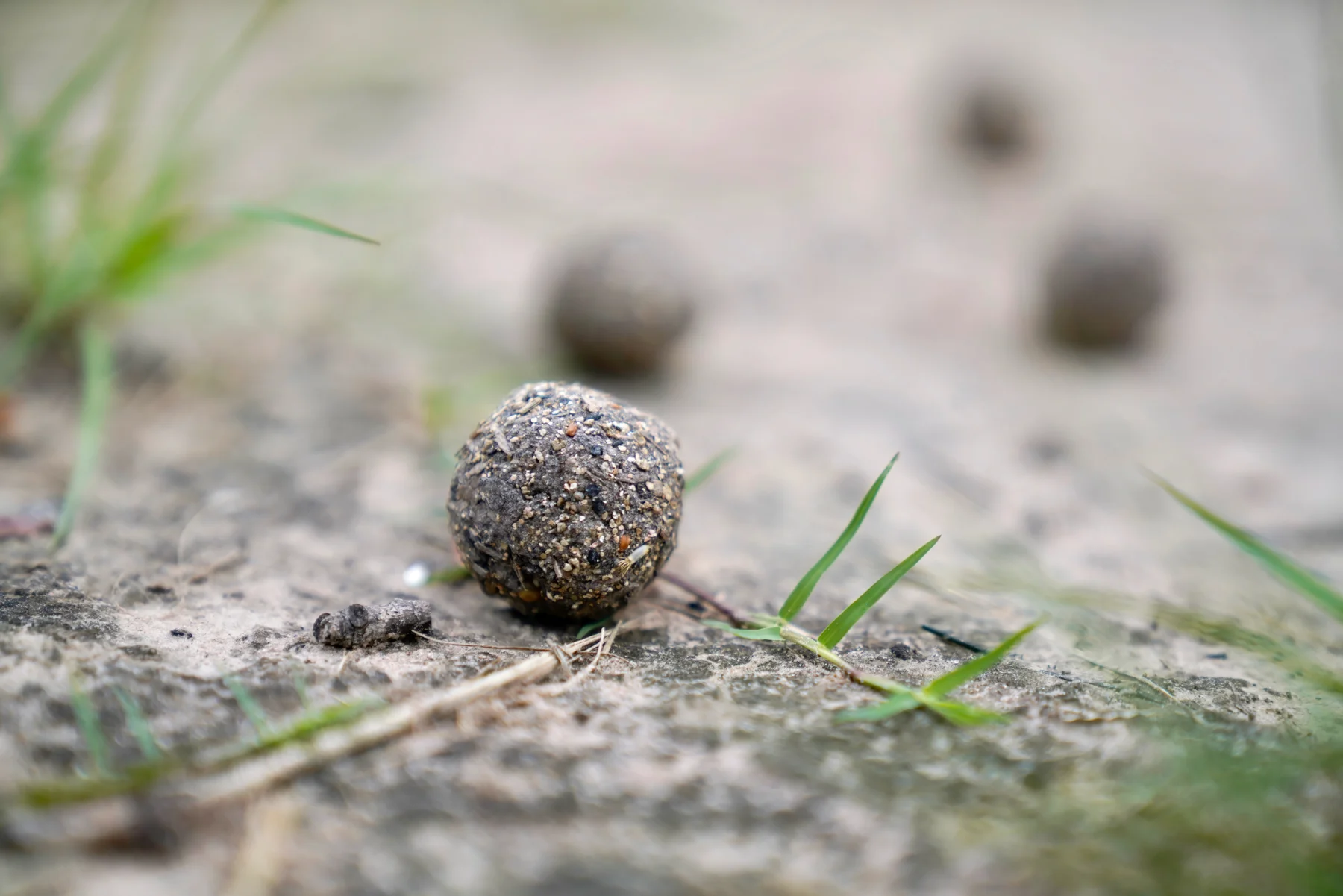
Native seeds.
Site-specific mixes.
01 / Where pods can make a difference
The same starting point: native vegetation suited to the land. The plan changes with the site, the disturbance, and the habitat you want to support.
Discuss your siteSupport native revegetation on land disturbed by energy development, including construction work areas and access routes. Start with the site conditions and the restoration objectives.
Plan native planting for disturbed ground after construction. Shape seed selection and pod deployment around local conditions and the intended use of the site.
Native planting for ranches, parks, wetlands, conservation areas, and private land, with mixes selected for local site conditions, plant communities, and the wildlife habitat you want to support.
Hands-on native planting for schools, home gardens, community groups, and shared green spaces. A practical way to connect people with the habitats around them.
Learn with PodsA small beginning.02 / Our approach
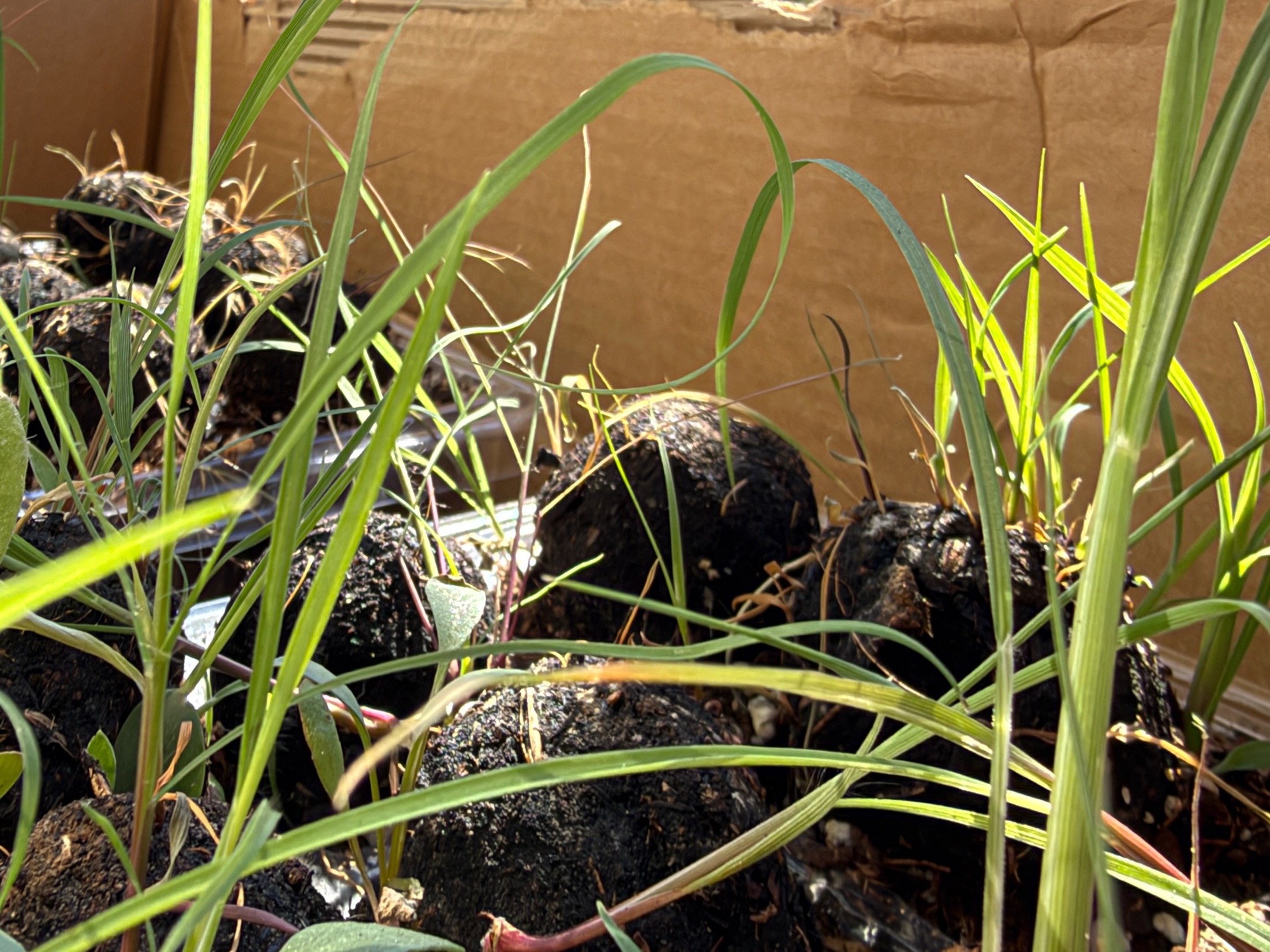
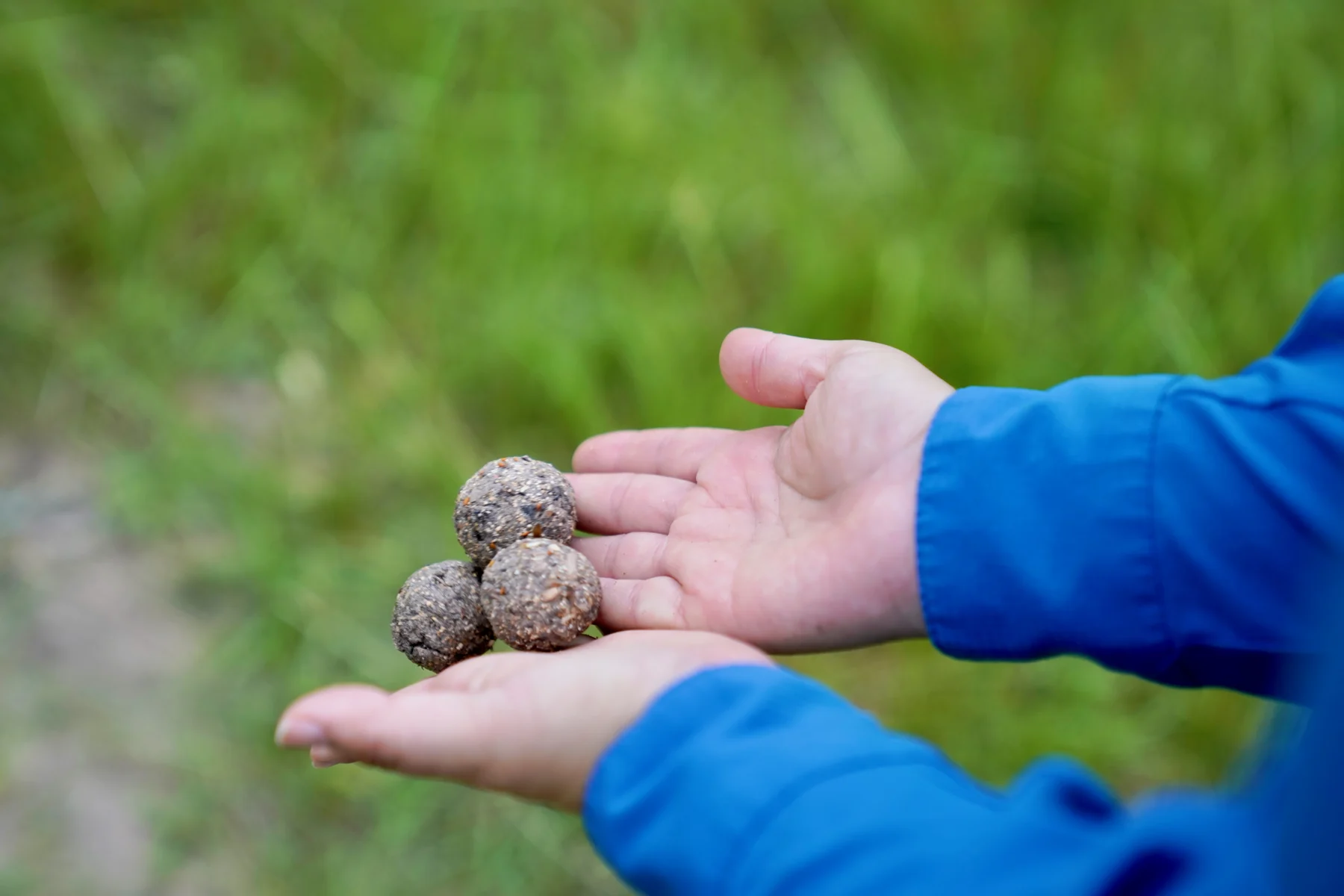
We pair native seeds with nutrient-rich biomass to make custom, biodegradable pods. Each project starts with the landscape: its conditions, its native species, and its potential.
For disturbed industrial land, a private ranch, or a community planting project, seed selection and deployment need to fit the site. We help translate restoration goals into a practical planting approach.
Explore our restoration services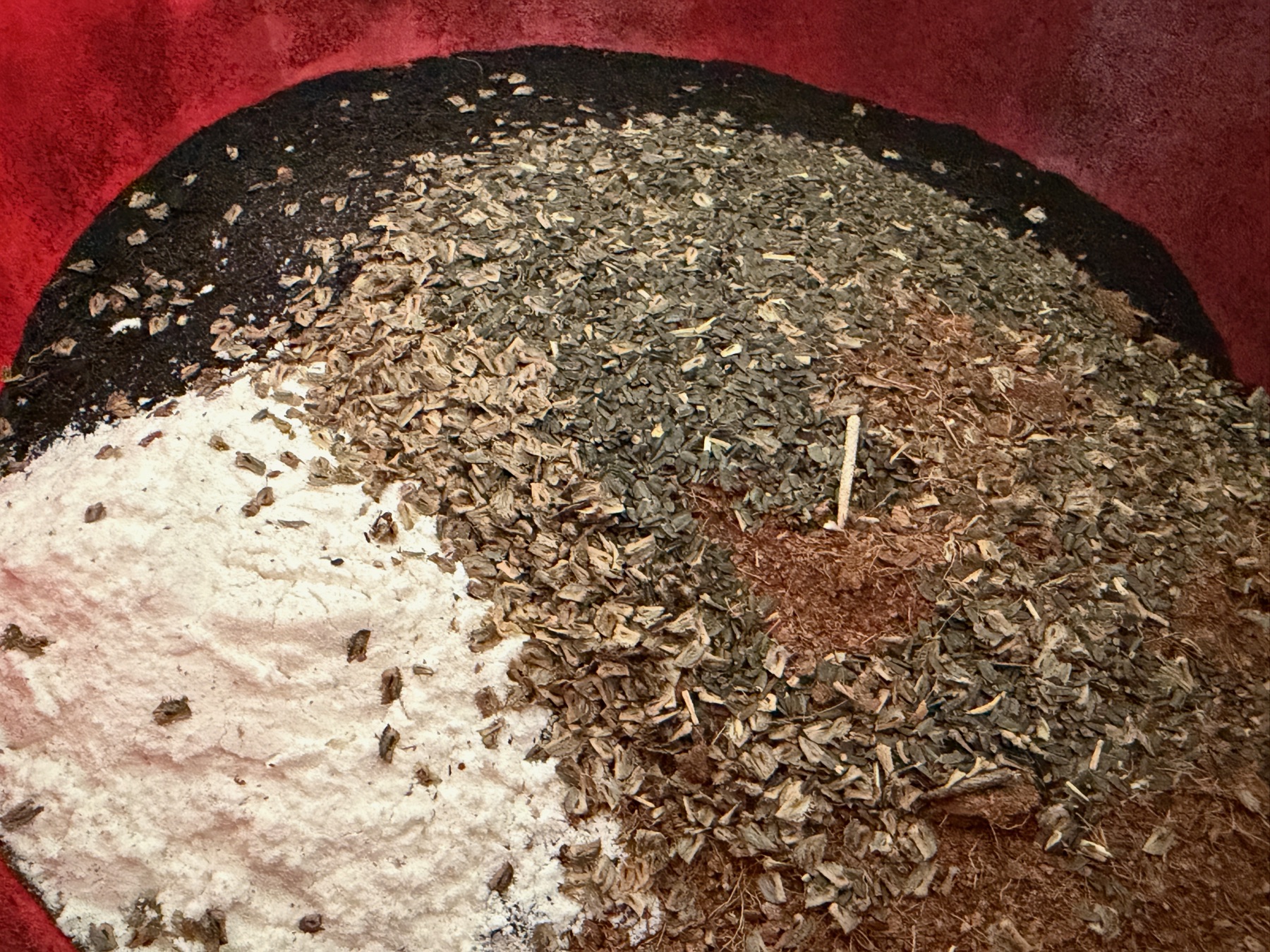
Biodiversity Pods in motion
A 45-second film
03 / The pods
The pod is the delivery method.
Native species are selected around your site and restoration goals.
Native grasses and flowering plants selected to support revegetation, ground cover, and plant diversity.
Discuss a native grass and flowering-plant mix suited to disturbed ground, open landscapes, and your restoration objectives.
Discuss Prairie Pods ↗Native flowering plants selected to provide nectar and habitat for bees, butterflies, and other pollinators.
Support pollination and the food webs that depend on it. Native species are selected to suit your restoration site.
Discuss Pollinator Pods ↗Native shrubs and small trees selected to support wildlife habitat in open spaces and restoration areas.
Seeds are designed to grow in clusters, providing cover, nesting habitat, food, and connections between wildlife habitats.
Discuss Habitat Pods ↗Every site has different requirements. Talk with us about your project and pricing.
04 / The restoration process
A restoration project starts before the first pod is placed. Site conditions, native species, deployment, and follow-up monitoring shape the plan.
Let’s plan your projectEvaluate the site and restoration goals to guide native species selection and the planting approach.
Custom seed pod production and deployment shaped around the site and its native revegetation objectives.
Vegetation surveys, eDNA testing, and camera traps help track habitat quality and species presence. Clear reporting keeps stakeholders informed.
05 / Who we are
Founded by Dr. Gabriela Sosa, Biodiversity Pods brings together experience in conservation, environmental consulting, and land management.
With a PhD in Ecosystem Science from Texas A&M University and international restoration experience, Dr. Sosa helps communities and organizations take informed action for biodiversity.
 Restoration starts with us.
Let’s discuss your site
Share your location, approximate area, current site conditions, and restoration goals. We’ll start the conversation there.